

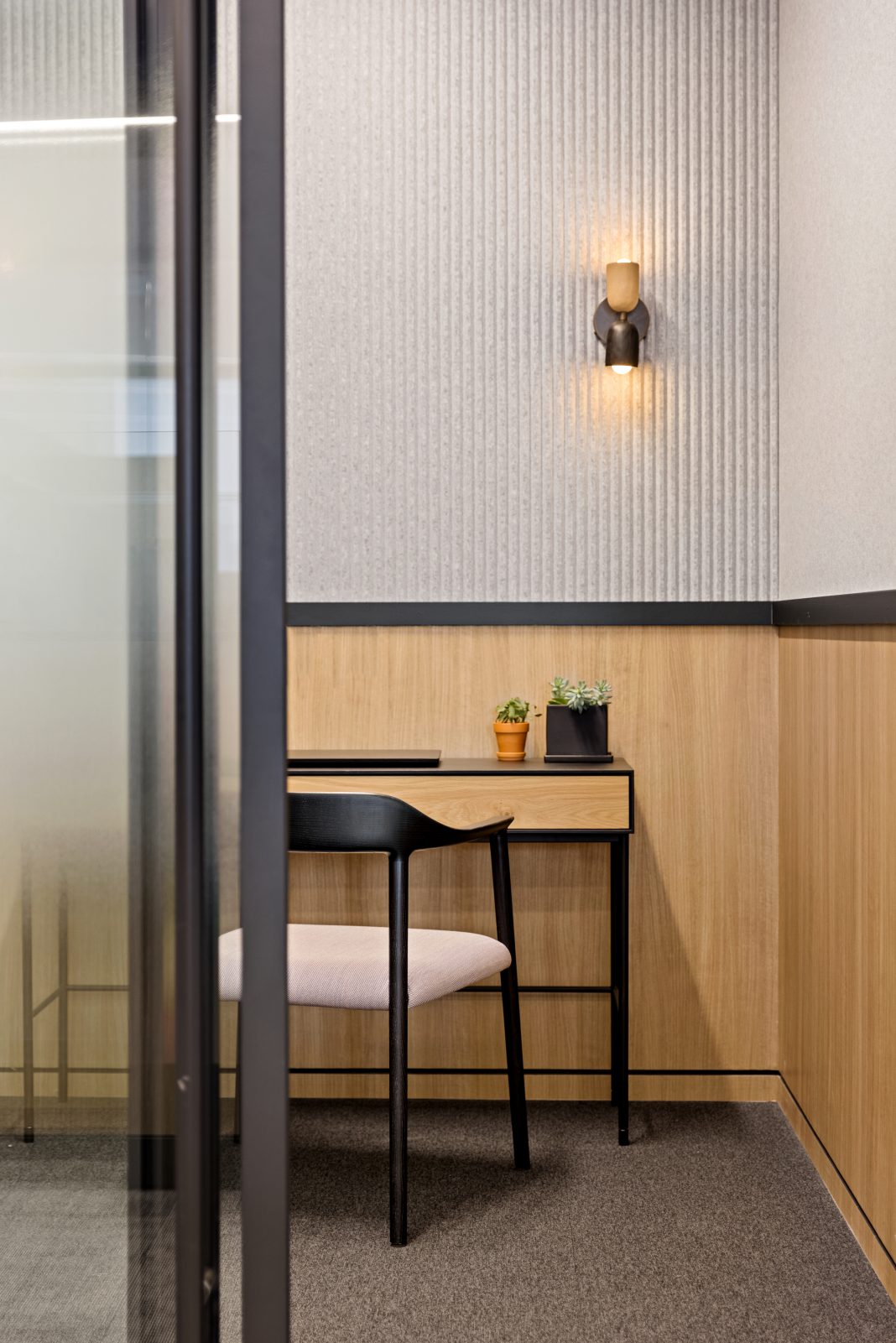

From Farm to Desk: The Parallels Between Slow Food and Slow Work
In 1971, chef Alice Waters opened Chez Panisse in Berkeley with a radical belief food should be grown, prepared, and shared with care. That belief would spark the slow food movement, a quiet revolution against industrial efficiency that re-centered human connection and time around a table.
Half a century later, that same philosophy is finding its way into the world of work. As artificial intelligence (AI) accelerates output and technology blurs the boundaries of work time, a new idea is emerging. Intentional Slow Work is a movement to restore meaning and human rhythm to the way we work, collaborate, and live.
Alice Waters’ slow food ethos offers a blueprint for a healthier work ecosystem. The lesson is not merely about slowing down, but about reconnecting with process, place, and purpose. It brings people back into the process of how work happens. It restores the middle of work, where conversations and edits create a deeper understanding. This is the part of work that, when it disappears, feels hollow.
The cultural signals are everywhere. People are reaching for grounding experiences, including handmade craft, nature bathing, wellness clubs, and screen-free retreats. All of these point to a growing desire to feel more connected to one another.
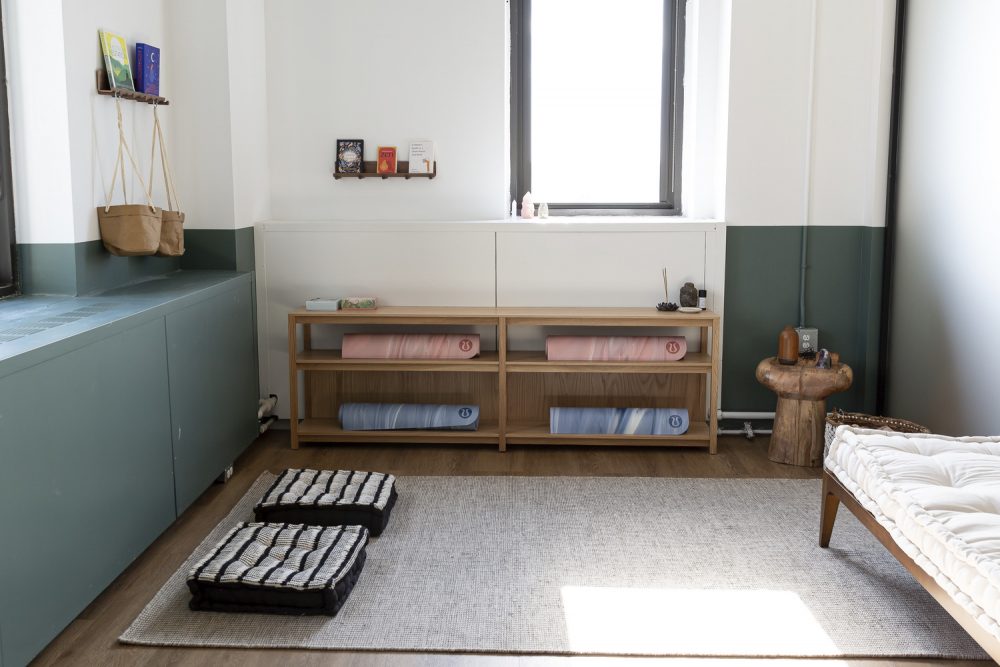
Designing Workplaces That Support a Human Pace
Workplace design reflects this desire and shapes how the built environment can enable human pace or disrupt it. To support slow work, space must become more than a physical container for tasks. A café can function like a small public square where people naturally reconnect. A quiet room can feel like a garden retreat that encourages deeper thinking without isolation. A project room can encourage and showcase ideas in view, helping teams maintain continuity instead of resetting each day.
Workplaces that support both focus and restoration lead to higher employee engagement and retention.
Warm materials and natural elements reconnect people in an era dominated by screens. Light, air, and sound become foundational design rather than decorative choices. However, these spatial qualities only work when paired with thoughtful work behaviors. Flexibility succeeds when teams share rituals. Hybrid schedules thrive when days in the office have purpose rather than randomness. AI becomes powerful when it accelerates mundane tasks and gives people time for the kind of thinking that requires decision-making and creativity. Slow work is a recalibration toward workplace meaning. It helps people recognize themselves in their work again and makes collaboration feel energizing instead of draining.
From Flexibility to Intention
The promise of work from anywhere has evolved into something more intentional. Employees across generations want to connect to the why, not just complete the what. The next era of workplace design will focus on regenerative work. Offices will support natural cycles of energy, creativity, and rest. Quiet spaces that invite focus and sunlit cafés that encourage conversation will help people reconnect with their own pace. Workplaces that acknowledge this are moving beyond functional layouts and toward environments that support intention and presence.
Slow work offers a hopeful shift. It reminds us that meaningful work emerges when people have time and space to understand, connect, and create. If there is one direction for 2026, it is a return to intention.
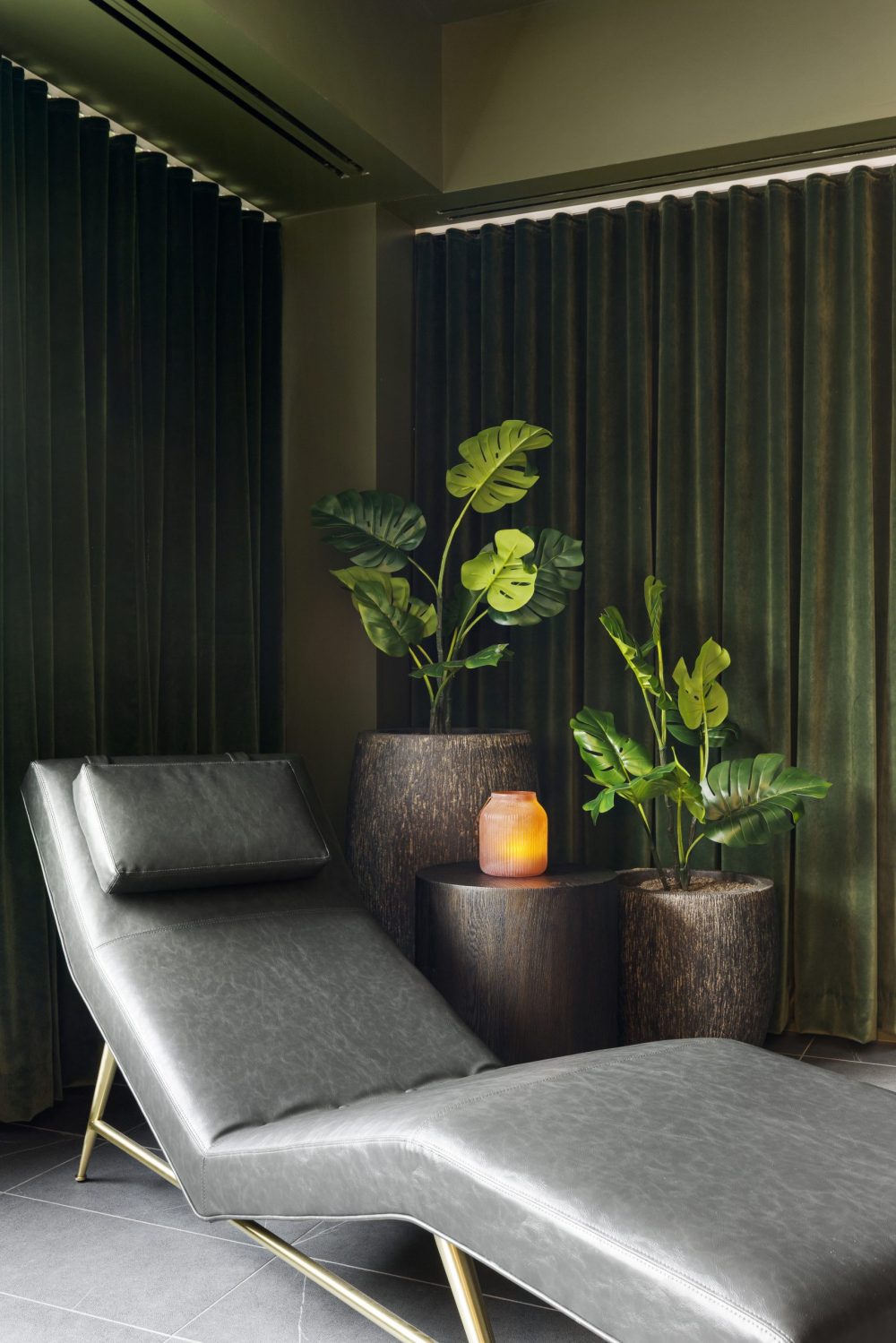
How to Bring the Slow Work Ethos to Life
Design for seasons of work: Create spaces that support focus, deep thinking, reflection, and rest.
Localize and humanize: Let rituals and cultural touchpoints grow from the organization’s own community.
Protect creative soil: Provide places and time for individuals to reset and regenerate.
Engage the senses: Use natural light, warm materials, and texture to support presence and attention.
Create places for gathering: Make collaboration an act of connection rather than consumption.
Special Thanks to Our 2026 Trends & Predictions Supporter:

Let’s design spaces that resonate and inspire great work. Explore the Resonant Spaces collection.