

For years, workplace wellness has focused on protecting the body. In 2026, the focus is shifting to protecting and strengthening the brain.
Over the past several years, wellness in the workplace has largely centered on physical health. This became especially true in the wake of Covid, when the focus shifted to germs, viruses, and keeping employees physically protected. In 2026, however, a deeper evolution is emerging: the rise of brain-health-driven workplace design. Rather than catering to one-off needs or small groups, organizations are beginning to ask how the built environment can support cognitive, emotional, and neurological well-being for everyone.
We’ve already seen early momentum in designing with neurodivergent employees in mind, from sensory-friendly rooms to acoustic zoning. But the next wave is broader and more inclusive. People are not one-size-fits-all—neither are workplaces—and companies are realizing that cognitive comfort, attention support, and emotional regulation are universal needs. As brain health becomes a mainstream topic, the office will increasingly be viewed as a tool that can sustain or erode mental performance.
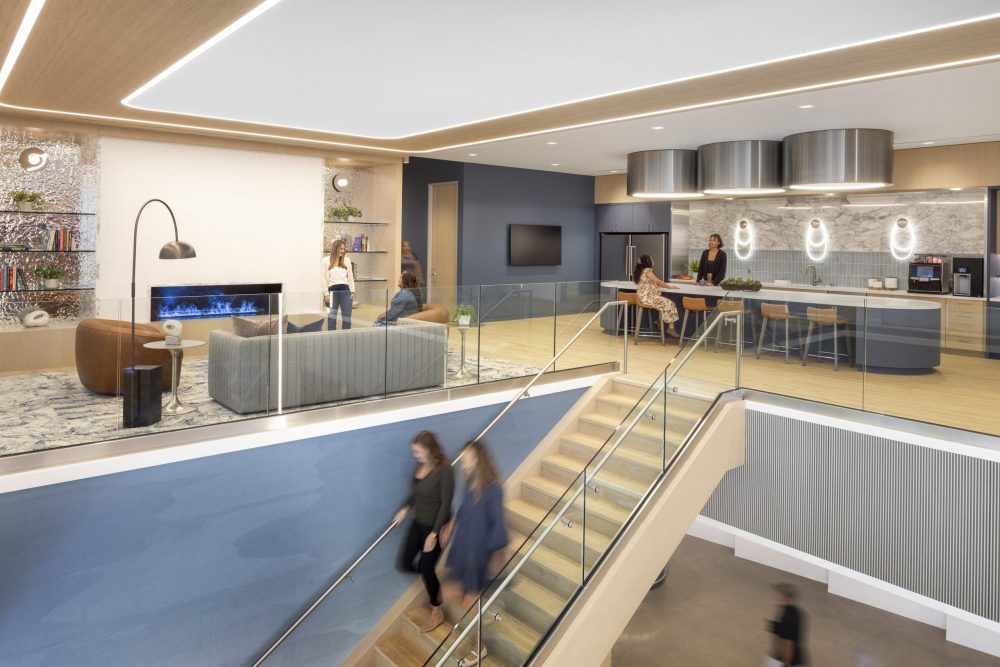
Research continues to reinforce this shift. In a study of 4,352 employees across seven offices, workplace design—including layout and psychosocial conditions—was significantly associated with workers’ emotional health outcomes. This aligns with a growing understanding that the office is not just where people work, but an environment that shapes their well-being, productivity, and even long-term cognitive resilience.
Another driver behind the brain-health movement is the recognition that people do not fit neatly into traditional personality categories. For decades, workplaces were shaped around the binary of “introvert vs. extrovert.” But today, many employees identify as ambiverts, individuals who need a blend of quiet focus and connection depending on their task, energy level, or time of day. This evolution reinforces a core truth: employees need choice. They need variety. And they need environments that adapt to their fluctuating cognitive demands.
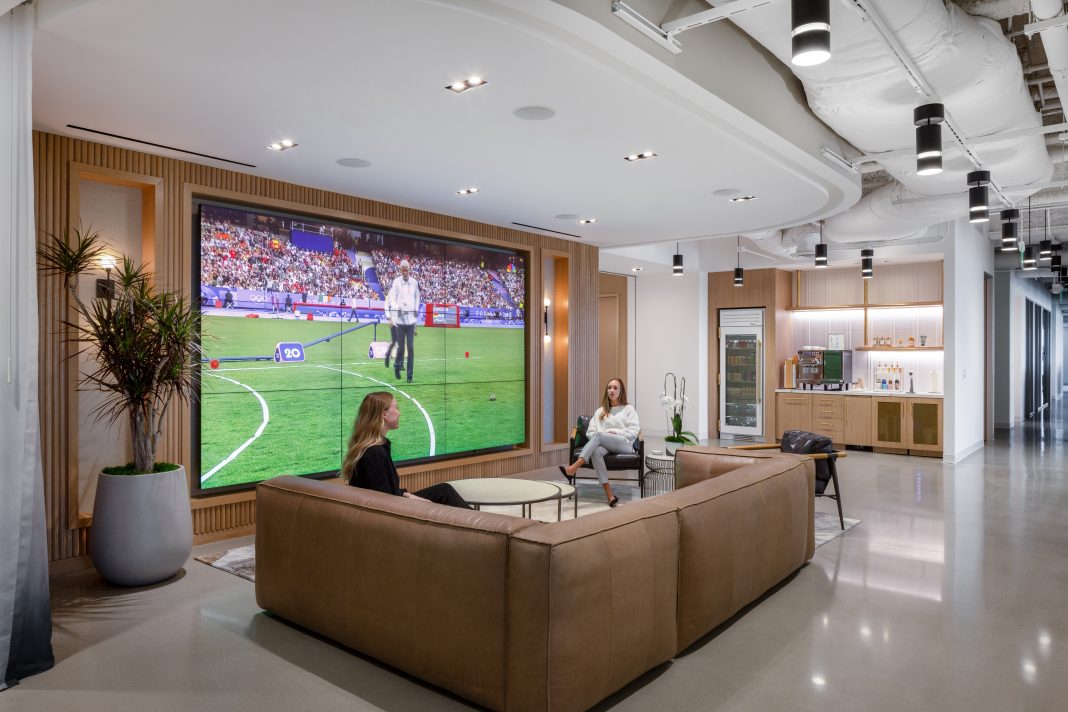
Customization, which has dominated workplace conversations for years, will shift from large architectural moves to micro-customization. Instead of reconfigurable transformer-like environments, the emphasis will be on allowing employees to choose the setting that fits their needs in the moment: a private room with a door for deep focus, an open lounge for vibey creative work, a water-view patio for a reset, or a collaborative nook for team bursts.
Much like Millennials reshaped the vitamin industry by replacing the one-size-fits-all multivitamin with personalized supplements, we’ll see the workplace adopt a similar philosophy. Brain health thrives when people can self-select what best supports their individual needs.
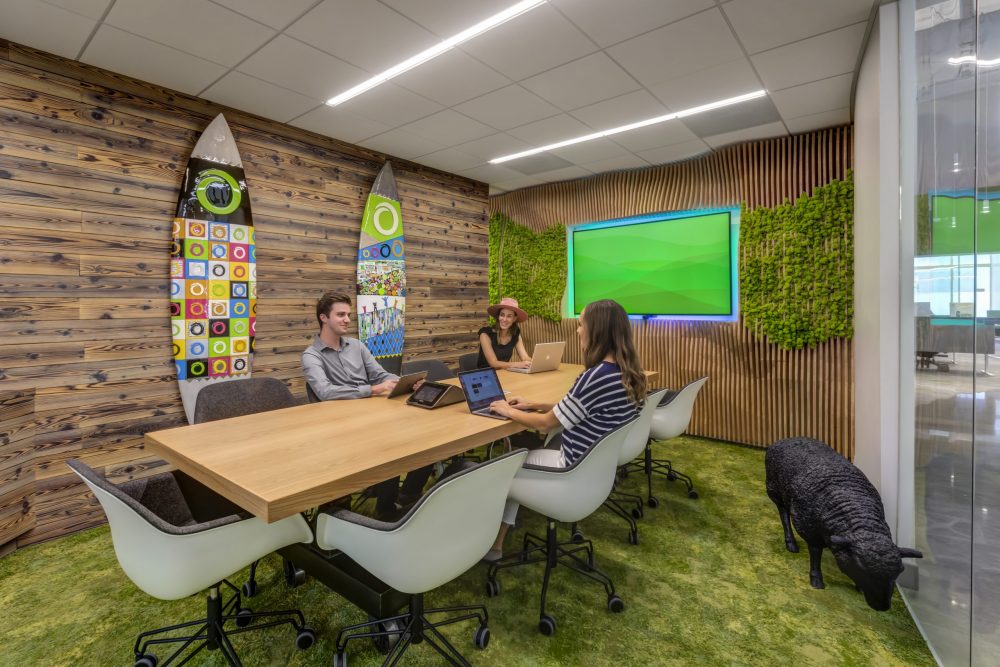
Spaces That Support Brain Well-Being
In practice, brain-healthy workplaces will prioritize:
- Autonomy of choice: letting employees choose the right spot for the task at hand.
- Dedicated space: not having an assigned place to land creates unnecessary stress.
- Refuge rooms: small private spaces for calls, decompression, or sensitive conversations.
- Biophilia and access to nature: views, plants, and patios that foster calm and connection.
- Collaboration zones: places that support teamwork and social energy.
- Brain break stations: non-screen areas with soft lighting, nature sounds, or puzzles to reset cognition.
Even small behaviors, like walking to grab a coffee or taking a moment near a window, can refresh cognitive capacity more effectively than staying anchored to a desk.
In 2026, brain health will become a foundational pillar of workplace design. Not a trend, not a perk, but a deliberate strategy for retention, productivity, and human sustainability. And workplaces that embrace it will unlock performance potential far beyond traditional notions of wellness.
Special Thanks to Our 2026 Trends & Predictions Supporter:

Let’s design spaces that resonate and inspire great work. Explore the Resonant Spaces collection.