


Most organizations agree on the need for a flexible, adaptable workplace to keep pace with changing business needs. But designing for flexibility is only the starting point. True flexibility means creating a living ecosystem that evolves as needs change, powered by a seamless interplay of design, systems, and people. Achieving this requires strong partnerships across organizational departments and teams. It also calls for a mindset shift: we must think of and manage the workplace not as a static asset, but as a product that continues to evolve.
Defining the Problem
The classic tension between business and workplace is that business needs change faster than the built environment. While lease terms are becoming more flexible, they still limit the adaptability companies need as they move through the business life cycle. At the project level, team sizes and workflows shift dynamically from one phase to the next, requiring different configurations and settings to align space with work.
Because this tension is experienced across industries, flexibility is often identified as a top priority. Modular and adaptable design strategies are common, yet most workplaces look much the same on day 120 as they did on day 1. This isn’t due to lack of intention or poor planning; it’s the result of the ongoing commitment and mindset required to create a thriving living ecosystem.
The Solution
Looking ahead to 2026, we anticipate a shift from treating the workplace as a static asset to evolving it as a living ecosystem that remains relevant and supports dynamic business needs over time. One way to achieve this is through systems thinking, which enables timely and coordinated adaptations. Systems thinking takes a holistic view of how components interact and influence one another within a larger whole, focusing on interconnectedness, relationships, and feedback loops.
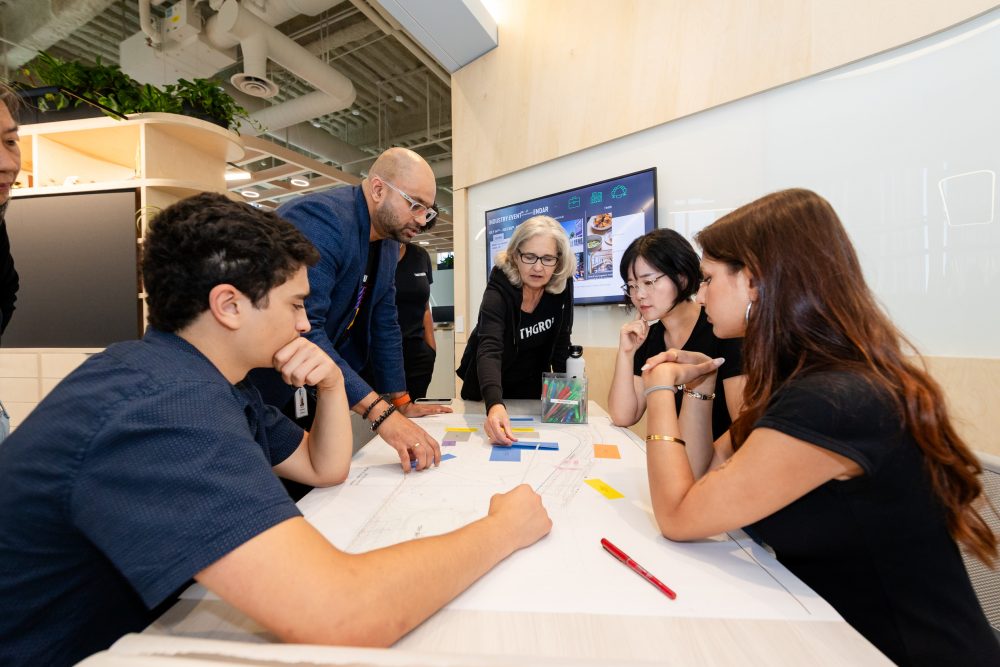
In the context of a workplace ecosystem, these components include real estate, workplace experience, occupancy planning, HR, finance, data analytics, and facilities teams. While real estate manages the physical asset, other teams are essential to provide insights into user behaviors, space utilization, policies, funding strategies, and daily operations.
Together, this integrated systems team drives the dynamic interplay of design, systems, and people—the living organisms within the ecosystem.
Alongside systems thinking, organizations need to adopt a mindset that embraces experimentation, continuous learning, and improvement. Even with robust data and coordination, solutions may not be perfect, or perfect for the moment. An approach that favors progress over perfection helps overcome decision paralysis, prevents stagnation, and ultimately improves workplace agility and business outcomes.
Implementation
There are many ways this approach can be applied in practice. One method is to consider three levels of flexibility: hackable workspaces, furniture kits-of-parts, and modular spaces. Each level varies in degree of change, control, resources, and investment.
Hackable Workspaces
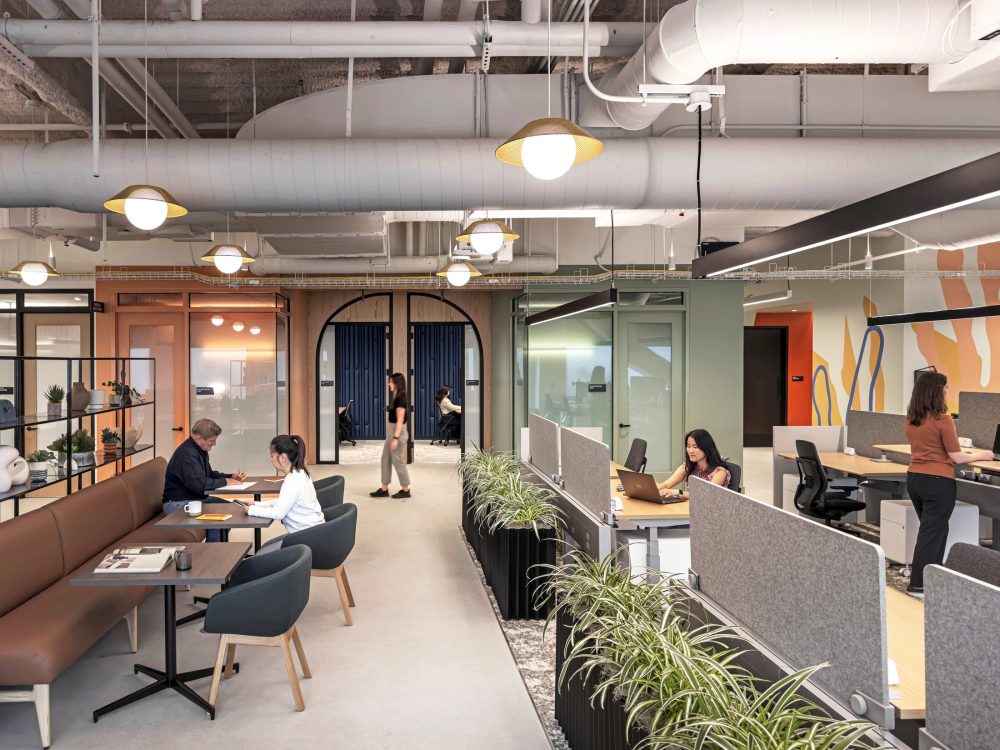
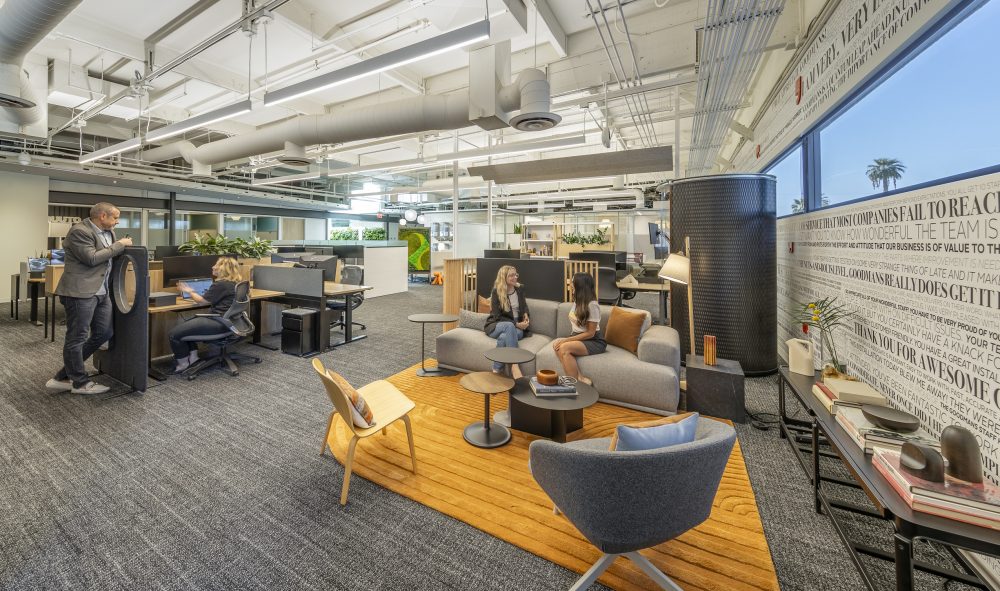
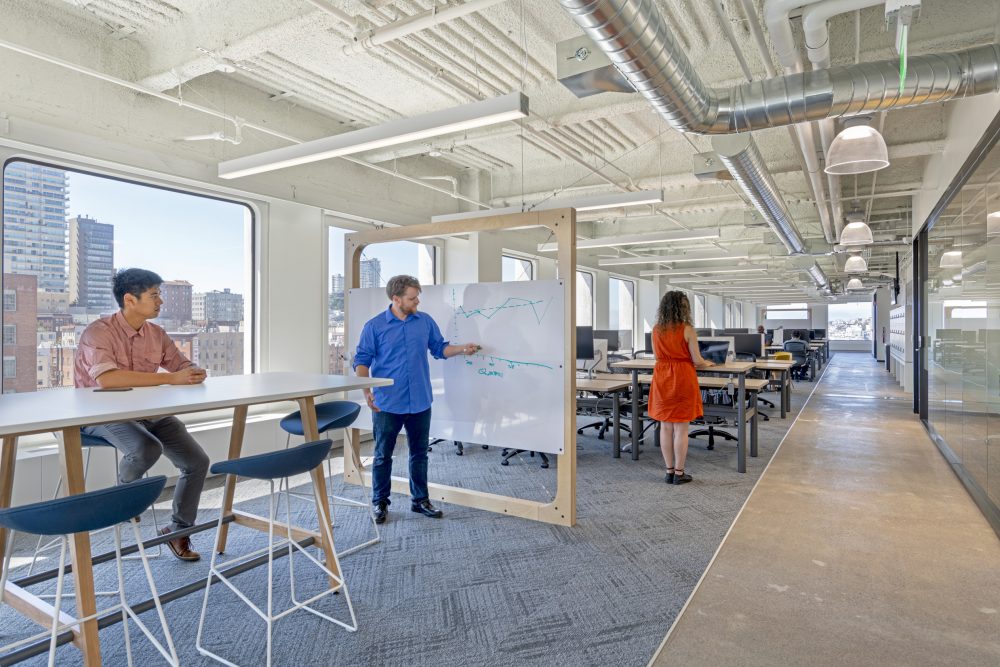
Hackable workspaces allow users and teams to move furniture, tools, and technology to meet daily needs. Casters play a significant role, as does portable technology and access to power. Changes are user-driven and typically don’t involve facilities or real estate teams. To maximize the benefits, users should feel empowered to rearrange spaces as needed, while workplace teams accept that spaces are ever-changing and may look “lived in.”
Furniture Kits-of-Parts
This approach offers interchangeable furniture settings to meet evolving team needs. For example, early project phases may require collaboration and team spaces, while later phases demand heads-down solo work areas. Swapping furniture pieces requires greater coordination among data, workplace, and facilities teams. Changes may be triggered by team requests or by regular evaluations.
Modular Spaces
Designed on a dimensional grid, modular spaces can transform by adding or removing walls and furniture as needs change. This level of flexibility requires a high degree of coordination within the systems team, with varying involvement depending on the solution. Demountable systems can often be reconfigured over a weekend, while hard-wall changes may take weeks. Because of the commitment and resources required, organizations must establish clear triggers for change—such as performance metrics, user feedback, or cultural shifts—and determine how frequently changes should occur. An additional consideration is how funding is categorized, whether as a capital expense or an operating expense.
Evaluate and Adjust
Borrowing from product design, the finished workplace should not be considered the final product. Business goals, team needs, and technology continue to evolve, and tomorrow’s challenges will differ from today’s.
For a living ecosystem to thrive, the systems team should establish a decision-making framework supported by threshold metrics and KPIs that measure both quantitative and qualitative data. By reviewing these inputs regularly, teams can anticipate change and ensure the workplace continues to deliver value.
Not all changes will be spatial. Some may involve technology updates, neighborhood reassignments, or behavioral adjustments. A systems thinking approach allows organizations to recognize when the ecosystem is no longer thriving and respond with meaningful, timely change.
Evolution as a Cultural Norm
The workplace of the future isn’t a static backdrop—it’s a living, breathing ecosystem that adapts as business needs evolve. By embracing systems thinking, fostering cross-functional collaboration, and committing to continuous improvement, organizations can move beyond flexibility as a design feature and make it a cultural norm. The payoff? A workplace that doesn’t just keep up with change—it anticipates it, accelerates it, and becomes a strategic driver of business success.
Special Thanks to Our 2026 Trends & Predictions Supporter:

Let’s design spaces that resonate and inspire great work. Explore the Resonant Spaces collection.