

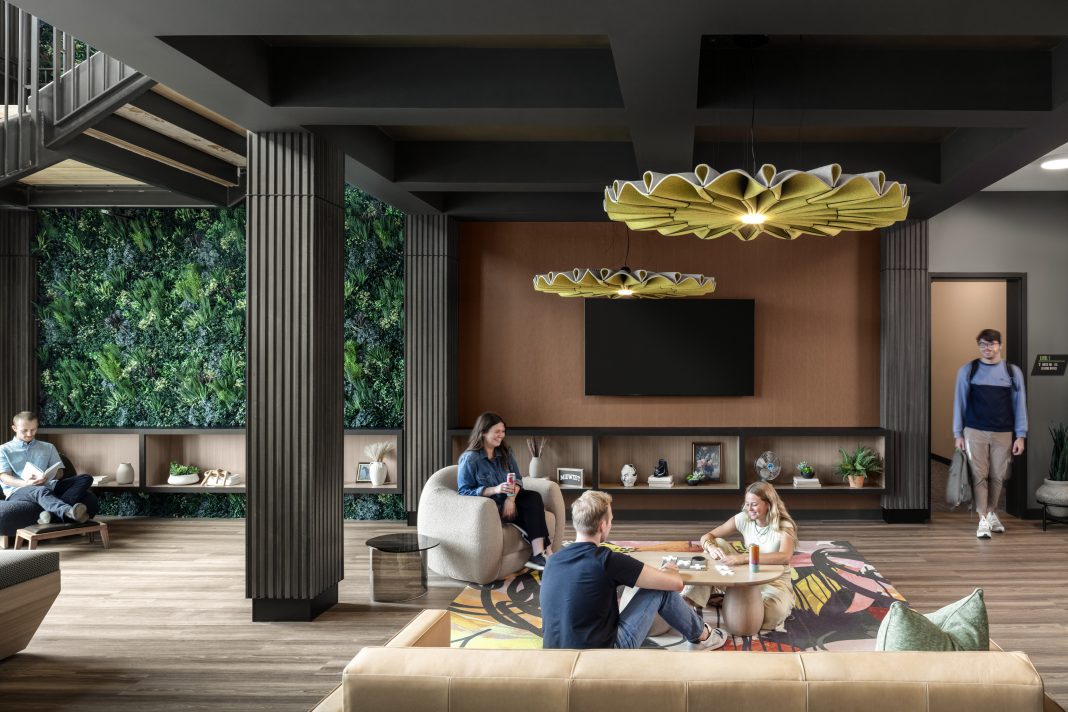

As organizations navigate the rapidly evolving nature of work, the conversation often centers on technology—especially artificial intelligence (AI)—and its potential to reshape our professional lives. Yet, amid the excitement about data lakes and automation, an enduring truth remains: the value of human connection, creativity and intentional space design.
AI as a Tool, Not a Replacement
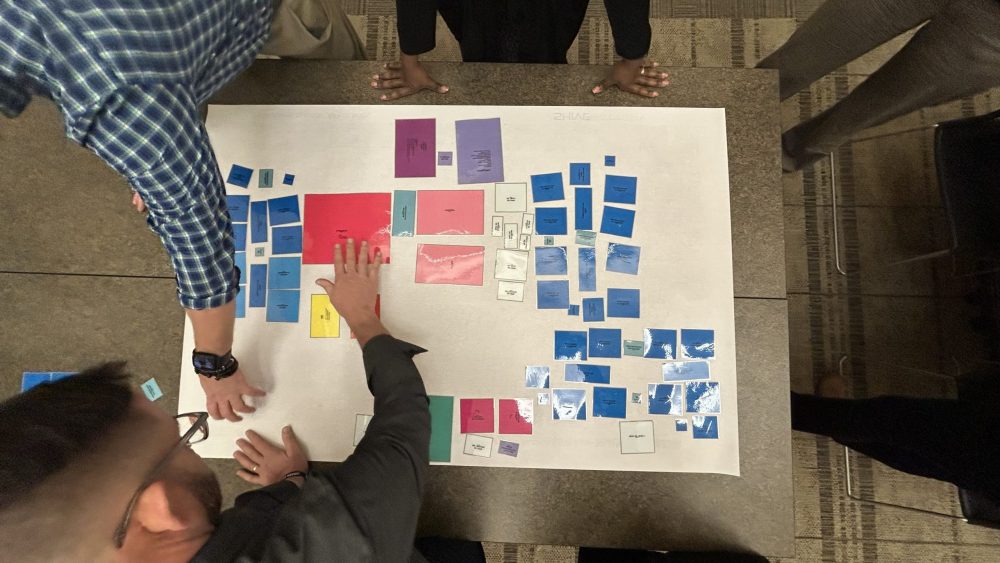
AI’s capabilities are expanding at an unprecedented rate. Many tasks traditionally assigned to interns or entry-level professionals—data gathering, analysis, even drafting—can now be performed by algorithms. However, the real challenge is not whether AI can do the work, but whether we allow it to replace the essential human learning process. We have to develop the next generation for our organizations, and the physical space allows that to happen.
Workplace is more than a site of productivity, it’s crucible for growth, mentorship and innovation.
Investing in Emerging Professionals
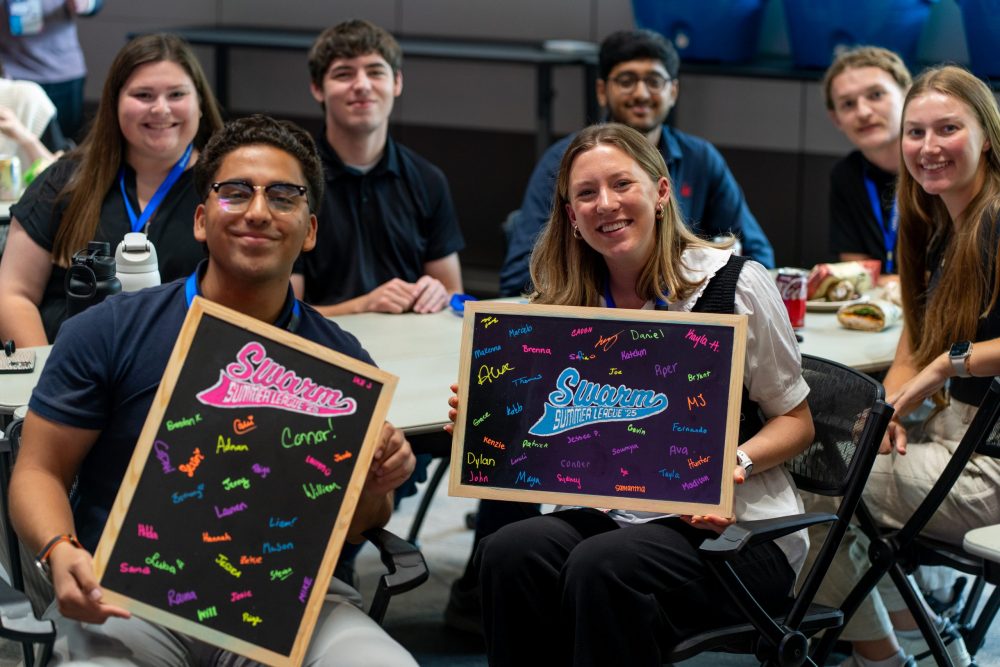
Consider the cohort of emerging professionals and interns who bring unique energy to your organization. Their curiosity, hunger to learn, and willingness to push boundaries, ask “why” and not just accept things as they are. This energy is contagious and encourages us to question our own processes and stay curious rather than prescriptive in our approach.
That’s why having a physical space for teams is so critical. It’s in these shared spaces that ideas spark, connections form, and learning accelerates. The presence of interns is a vivid reminder of the value of in-person interactions, something that can’t be replicated by transactional Zoom or Teams meetings.
Sometimes, the learning goes both ways. Many interns are incredibly tech-savvy, and they often push us in directions not previously considered, creating opportunities for reverse mentoring. This is the value of human connection and the space to explore ideas and concepts that only humans can do.
The Case for Physical Space
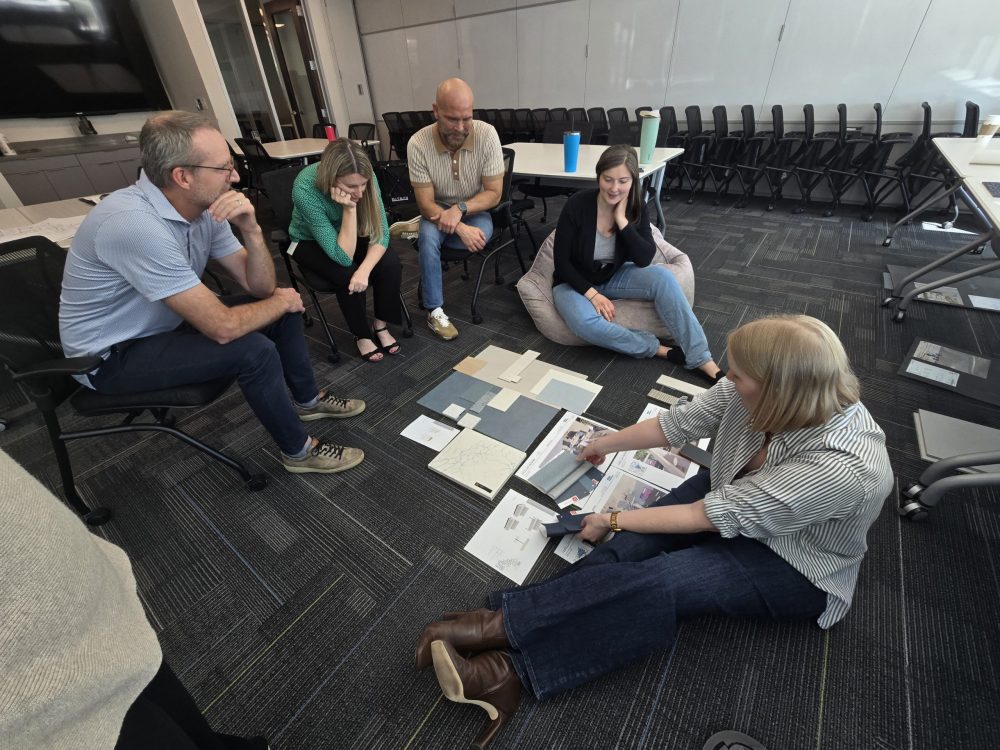
The shift to hybrid and remote work has prompted some to question the need for dedicated office environments. While technology enables flexibility, it cannot replicate the serendipitous interactions and collaborative energy that physical spaces provide. It allows for that interaction and engagement in a way that a transactional Zoom or Teams meeting wouldn’t. The future workplace will be defined not by eliminating space, but rather by the intentional design of environments that foster connection, creativity, and belonging.
Right-Brain Skills: The New Competitive Advantage
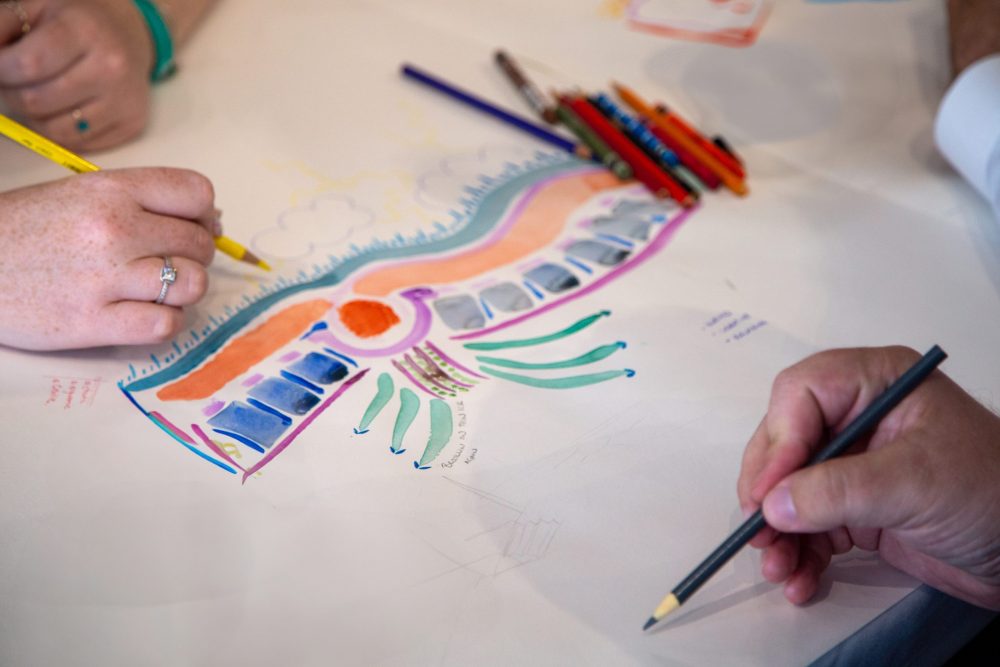
Daniel Pink’s influential book, “A Whole New Mind,” highlights a critical shift in the skills that will matter most. As Pink argues, the future belongs to those who excel in right-brain thinking—empathy, storytelling, metaphor, and meaning-making. Data is easy to come by, which AI will obviously make easier and easier. The secret sauce is the curation and how to take that data and create something of value and meaning. That just doesn’t come from an algorithm.
This insight has profound implications for workplace design. Spaces must support not only efficiency, but also the nuanced, human-centered work of interpreting, connecting, and innovating. The workplace becomes a “data lake” of human capital, where diverse minds come together to generate asymmetrical solutions—outcomes that no algorithm could predict or replicate.
Purpose, Belonging, and the Power of Teams
As organizations grow and technology advances, there is a risk of becoming overly focused on efficiency—the “Jack Welch” effect, where every ounce of slack is squeezed out of the system. This approach can smother the human spirit and undermine the creative, problem-solving essence of professions like design and engineering.
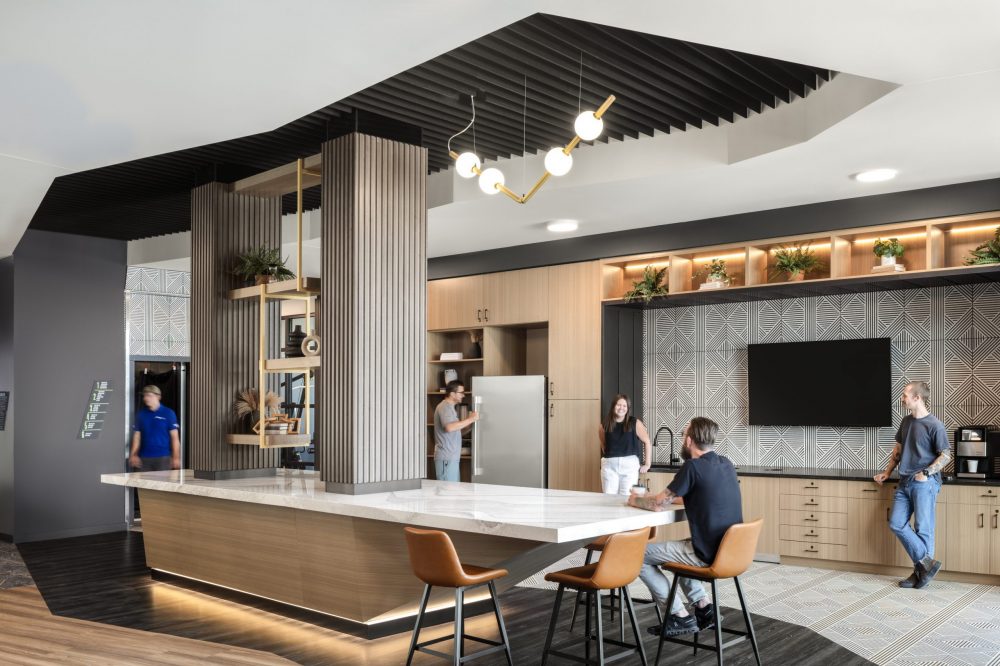
Instead, the most successful workplaces will emphasize purpose, belonging, and team identity. The purpose is the people, the purpose is the teams. It’s the connection. Whether through intentional gathering spaces, multidisciplinary collaboration, or opportunities for reverse mentoring, the future workplace must prioritize the human experience.
A Call to Action for Workplace Leaders
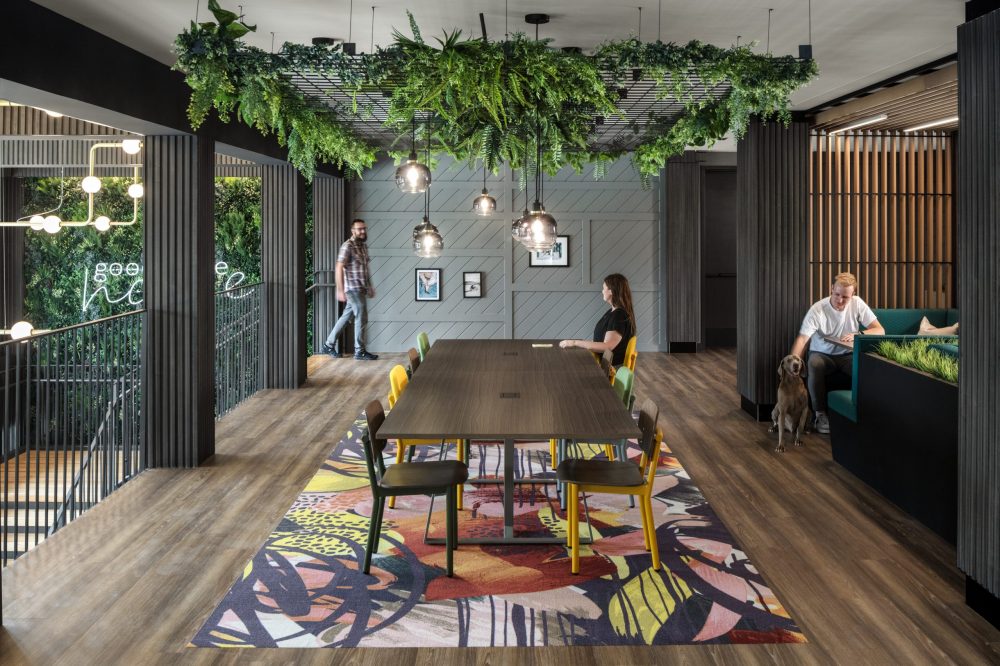
As we invest in AI and digital infrastructure, we must also make parallel investments in our people and the spaces that unite them. A commitment to connecting minds should match the obsession with connecting data. Do we want to live in a world where everything looks the same—a world of fast-food solutions devoid of the creativity and meaning that only humans can provide?
The future of work is not about choosing between technology and humanity. It’s about leveraging the best of both—using AI to accelerate options and concepts, while relying on human curators to orchestrate, interpret, and inspire. In the end, it’s our curiosity, our connections, and our capacity for meaning that will set us apart.
Special Thanks to Our 2026 Trends & Predictions Supporter:

Let’s design spaces that resonate and inspire great work. Explore the Resonant Spaces collection.